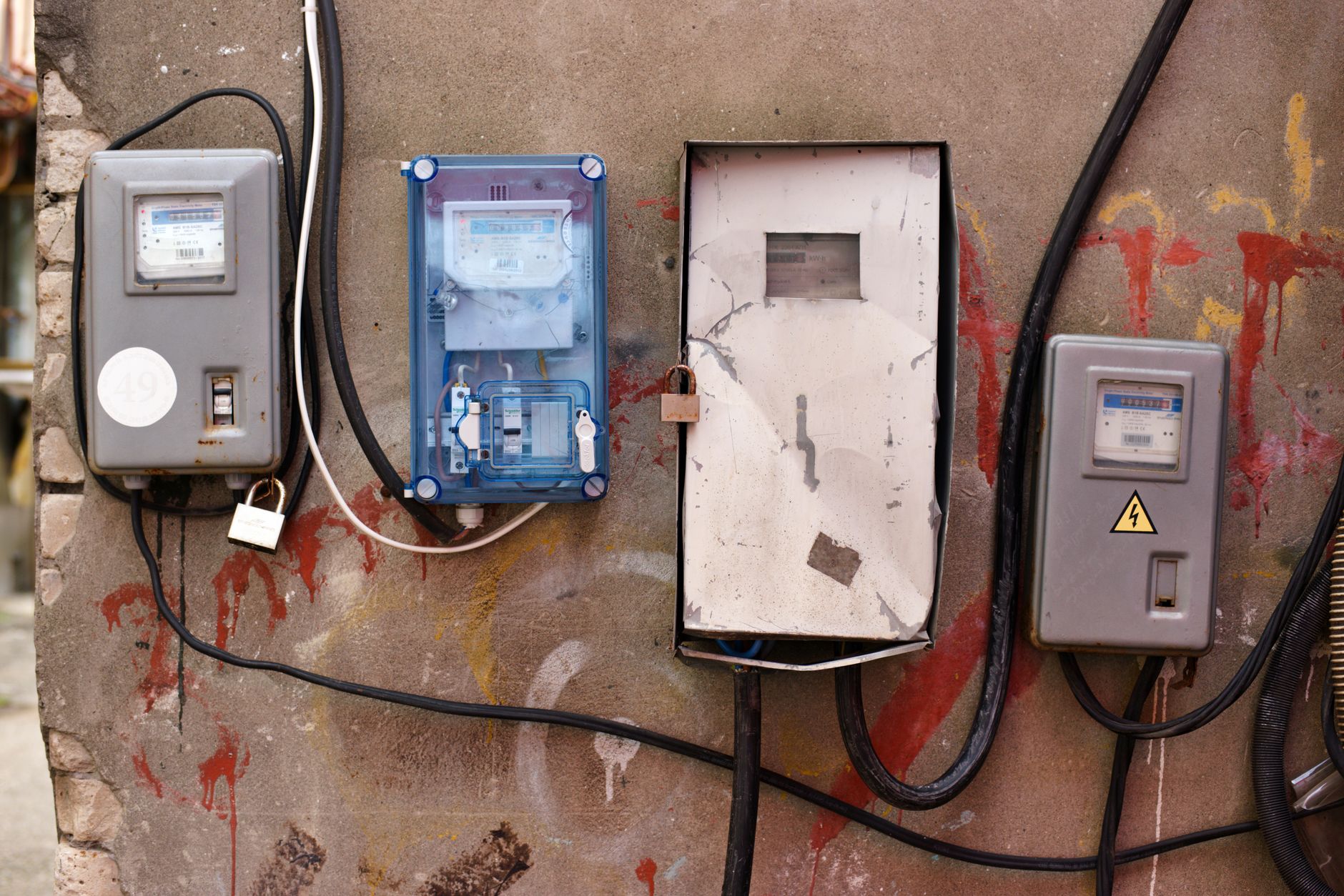
Moving into a new UK rental should be an exciting fresh start. However, discovering inherited prepayment meter debt can quickly shatter that illusion. Fortunately, you are not legally responsible for the previous occupant’s unpaid energy bills. This comprehensive guide will show you exactly how to dispute inherited prepayment meter debt in your UK rental.
Understanding Your Legal Rights Regarding Inherited Debt
Under UK contract law, you are only bound by agreements you have personally entered into. This fundamental legal principle is known as privity of contract. Consequently, you cannot be held liable for an energy supply agreement made by a previous tenant or homeowner.
The energy supplier’s legal contract is with the previous occupant, not the physical property itself. If an energy company tries to enforce this historical debt against you, they are acting unlawfully. The Citizens Advice service strongly reinforces that new occupants are never liable for previous debts.
Never make a ‘goodwill’ payment towards inherited prepayment meter debt. Doing so can be legally interpreted as you accepting liability for the debt.
Why Energy Suppliers Sometimes Get It Wrong
Prepayment meters are designed to collect money for the energy you consume. However, older mechanical meters sometimes have historical debts programmed into them by the supplier. When you top up the meter, the system automatically deducts a portion to pay off the previous occupant’s arrears.
While this practice is less common today, it still happens, particularly with older legacy meters. Energy suppliers are under strict regulatory pressure to modernise these systems. Nevertheless, you must remain vigilant when moving into a property with a prepayment meter.
Step 1: Gather Irrefutable Evidence on Moving Day
Your defence against inherited debt starts the moment you receive the keys. You must prove exactly what level of debt was on the meter at the start of your tenancy. Without this proof, the supplier may argue the debt accrued during your occupation.
- Take clear, date-stamped photographs of the prepayment meter.
- Capture the serial number, the current credit balance, and any debt indicators.
- Include the inventory report provided by your letting agent in your evidence pack.
- Note the exact date and time of these readings in a dedicated moving-in folder.
Email these time-stamped photographs to your landlord or letting agent on day one. This creates an undeniable timestamped paper trail.
Step 2: Contact Your Energy Supplier Immediately
Do not wait for the debt to be deducted from your top-ups. As soon as you notice historical debt, contact the energy supplier’s customer service team. Explain clearly that you are a new occupant and the debt belongs to the previous resident.
Be prepared to provide your moving-in date and your photographic evidence. The supplier should then reset the meter or apply a credit to offset any deductions. You can verify the official rules on supplier conduct via the Ofgem homepage.
Step 3: Navigate the Formal Complaints Process
If the frontline customer service team refuses to remove the debt, you must escalate the issue. Ask the representative to log a formal complaint. Under Ofgem regulations, suppliers have a strict timeframe to resolve formal complaints.
They must issue a ‘deadlock letter’ if they cannot resolve the issue within eight weeks. This letter confirms the supplier has finished their internal process. It also grants you the right to escalate your case to an independent body.
Step 4: Escalate to the Energy Ombudsman
If the supplier fails to clear the inherited prepayment meter debt, the Energy Ombudsman is your final port of call. The Ombudsman is a free, independent service that resolves disputes between consumers and energy companies. Their decisions are legally binding on the supplier if you accept them.
You will need to provide all your evidence, including the deadlock letter. The Ombudsman will review whether the supplier breached Ofgem guidelines. They have the power to order the supplier to refund any wrongly deducted funds and pay compensation for your inconvenience.
Navigating Smart Prepayment Meters
Smart prepayment meters handle inherited debt very differently from legacy meters. Suppliers cannot remotely load historical debt onto a smart meter without your explicit consent. If you see debt on a smart meter, it is likely an administrative error rather than an automatic deduction.
However, you should still follow the dispute process outlined above. Keeping a detailed digital record of your property’s condition and meter readings is crucial. At PadAudit, we believe every tenant deserves a transparent and fair renting experience.
What If Your Landlord Refuses to Help?
Occasionally, landlords or letting agents might try to pressure you into paying the inherited debt. They may even threaten to withhold your deposit if you do not cooperate. You must stand firm and cite your legal rights under the Consumer Rights Act 2015.
Furthermore, landlords have a legal duty to ensure you can peacefully enjoy the property. This is protected under the Landlord and Tenant Act 1985. If your landlord harasses you over a third-party debt, they may be breaching your right to quiet enjoyment.
If a landlord attempts to deduct inherited energy debt from your tenancy deposit, they are likely violating the Tenant Fees Act 2019. Report this immediately to your local Trading Standards office.
The Difference Between Inherited Debt and Supply Charges
It is vital to distinguish between historical debt and legitimate supply charges. If your meter shows a negative balance because you have simply used more energy than you paid for, that is your responsibility. This is standard usage debt, not inherited prepayment meter debt.
Similarly, standing charges and daily supply rates apply from the moment you move in. You are legally obligated to pay for the energy you personally consume during your tenancy. Only the arrears left behind by the previous occupant can be legally disputed.
Summary of Your Tenant Rights
Disputing inherited prepayment meter debt requires confidence and a solid paper trail. By understanding your legal position, you can easily push back against aggressive debt collection tactics. Remember that the contract for energy is tied to the individual, never the brickwork.
Save a copy of your tenancy agreement and your moving-in inventory. These documents prove the exact date your legal responsibility for the property began.
Frequently Asked Questions
Can I switch suppliers if I have inherited debt on my meter?
Yes, you have the right to switch energy suppliers even if the prepayment meter currently holds historical debt. The new supplier will take over the supply, and the historical debt remains with the previous supplier to resolve. However, you should still dispute the old debt to ensure it is cleared from the meter entirely.
What if the previous tenant left a massive amount of debt?
The size of the debt does not change your legal position. Whether the inherited debt is fifty pounds or five hundred pounds, you remain entirely protected by UK contract law. The energy supplier must pursue the previous occupant for the arrears, not you.
Will inherited prepayment meter debt affect my credit score?
No, inherited debt should not appear on your personal credit file. Energy providers report debt to credit reference agencies based on the name of the account holder. Since the account was in the previous occupant’s name, their credit rating is the only one at risk.
Leave a Reply