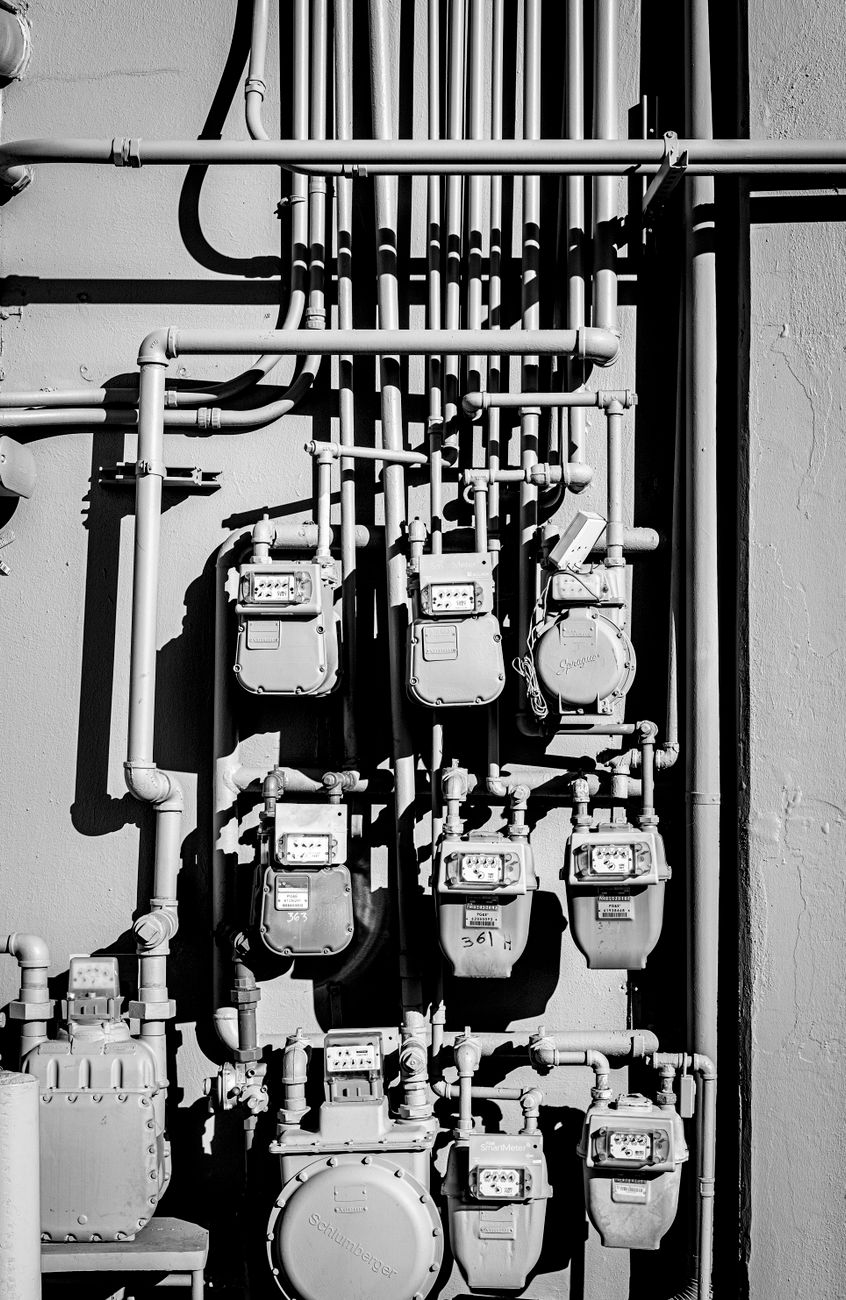
Finding a prepayment meter installed in your rental property without your knowledge or consent is an increasingly common problem across the UK. Thousands of tenants each year are moved onto expensive prepayment energy meters without realising their landlord or energy supplier has authorised the switch.
Understanding how to block unfair prepayment meter switches is critical to protecting your rental budget and your rights as a tenant. Under current UK energy law, suppliers must follow strict procedures before installing a prepayment meter, and tenants have powerful protections they can enforce.
This comprehensive guide walks you through every legal right, regulatory safeguard and practical step you can use to stop an unfair prepayment meter switch in your UK rental. We cover the Ofgem regulations, the protections introduced in 2023, and exactly how to take action if a supplier tries to force a switch.
Understanding Prepayment Meter Switches In UK Rentals
A prepayment meter switch occurs when your energy account is moved from a standard credit billing arrangement to a pay-as-you-go system. This means you must top up your gas or electricity before you can use it, rather than paying in arrears by direct debit or quarterly bill.
In a rental property, prepayment meter switches can happen in several ways. Your landlord may have already set up the property with prepayment meters from the start. Alternatively, an energy supplier may have switched your account without proper authorisation.
Under the Welfare Reform Act 2012 and Ofgem’s energy code of practice, suppliers are legally required to conduct a vulnerability assessment before switching any customer to prepayment. They must also obtain the customer’s consent or follow a specific legal process through the courts.
Who Can Authorise A Switch?
Only the energy supplier itself can authorise a switch to prepayment, and only after meeting specific regulatory requirements. Your landlord cannot unilaterally change your energy account unless they are the named bill-payer on the contract.
If your landlord pays the energy bills directly and recharges you, they are classed as a resale arrangement. This is governed by Ofgem’s Resale Licence conditions, and separate rules apply. We explore this scenario in detail later in the guide.
If you are the named customer on the energy contract, any switch to prepayment must be authorised by the supplier and comply with Ofgem standards. The supplier must check your circumstances first.
Ofgem Protections Against Forced Prepayment Switches
Following widespread public concern and an Ofgem investigation in 2023, a series of new protections were introduced to stop suppliers from forcing vulnerable tenants onto prepayment meters. These safeguards form the backbone of your legal protections.
The Ofgem rules now state that suppliers must not install a prepayment meter by force without first visiting the property and conducting a face-to-face welfare assessment. Suppliers must also identify anyone in the household who qualifies as vulnerable.
Mandatory Vulnerability Assessments
Before switching any customer to prepayment, the supplier must complete a mandatory vulnerability check. This assessment considers factors such as:
- Whether you have children under two years old
- Whether anyone in the household has a medical condition requiring energy-dependent equipment
- Whether any occupant has reached state pension age
- Whether anyone in the household has a mental health condition or learning disability
- Whether you have recently experienced a major life event such as bereavement or job loss
If any of these apply, the supplier must not proceed with the switch unless they have demonstrated that prepayment is genuinely in your best interests. This is a legal requirement under Ofgem’s Standard Licence Conditions (SLC).
Keep a written record of every conversation you have with your energy supplier about prepayment meters. Note the date, time, name of the representative and a summary of what was discussed. This evidence is invaluable if you need to escalate a complaint.
The 2023 Pause On Forced Installations
In February 2023, Ofgem ordered all energy suppliers in Great Britain to immediately pause all forced prepayment meter installations. This pause was introduced after it emerged that suppliers were switching vulnerable customers without visiting their homes.
The pause has since been lifted with stricter conditions in place. Suppliers must now comply with an enhanced Code of Practice that includes mandatory warrant applications, welfare checks and the identification of vulnerable customers before any installation.
If your supplier has attempted a forced switch without following this process, they are in breach of their licence conditions. You can report this directly to Ofgem and Citizens Advice.
Landlord Responsibilities And Tenant Rights
As a UK tenant, it is essential to understand what your landlord can and cannot do regarding your energy supply. Many tenants mistakenly believe their landlord has the authority to switch them to prepayment without consent. In most cases, this is simply not true.
If you are the named account holder on the energy contract, your landlord has no legal authority to instruct the supplier to change your meter. Only you can consent to a switch to prepayment.
However, if the landlord is the named customer and recharges energy costs to you, different rules apply. Under the Tenant Fees Act 2019, landlords are restricted in what they can charge tenants, and prepayment meters are not a permitted payment route for variable service charges unless specifically agreed.
Resale Arrangements In Rentals
In some rented properties, particularly houses in multiple occupation (HMOs) or flats with communal areas, the landlord or managing agent pays the energy supplier directly. They then pass costs on to tenants through a resale arrangement.
Under Ofgem’s Resale Rules, landlords who resale energy to tenants must not charge more than they pay. They must also provide the tenant with documentation showing how charges were calculated. If the landlord is using prepayment meters across an entire building, they must ensure this arrangement is fair and transparent.
If you suspect you are being overcharged under a resale arrangement, you can challenge this legally. For more detail on how energy costs can be disputed, read How To Fight Unfair Energy Bills From Your UK Landlord.
How To Block An Unfair Prepayment Meter Switch
If you discover that a prepayment meter is about to be installed or has already been installed unfairly, there are several steps you can take to block or reverse the switch. Acting quickly and following the correct procedure is essential.
Step One: Check Your Account Status
Contact your energy supplier immediately and ask them to confirm whether your account has been moved to prepayment or whether a switch is being considered. Request written confirmation of your account status, including the date of any change.
Ask the supplier whether they conducted a vulnerability assessment before making the change. If they cannot confirm that one was completed, the switch may be invalid.
Write to your energy supplier within 48 hours of discovering the switch. Use recorded delivery or email so you have proof of communication. Clearly state your objection to the prepayment meter and request the switch be reversed immediately.
Step Two: Submit A Formal Complaint
If your supplier refuses to reverse the switch, you must escalate the matter formally. Under the Ofgem Supplier Standards of Conduct, every energy company must have a complaints procedure. You should submit a formal written complaint referencing the specific rules they may have breached.
Your complaint should include:
- A clear statement that you did not consent to the prepayment switch
- Confirmation that no vulnerability assessment was conducted (if true)
- Reference to Ofgem’s Code of Practice on forced installations
- A request for the meter to be removed or switched back to credit billing
Your supplier has eight weeks to respond to your complaint. If they fail to respond or reject your complaint unfairly, you can escalate the matter to the Energy Ombudsman free of charge.
Step Three: Report To Ofgem
If your supplier has breached their licence conditions by installing a prepayment meter without consent or without conducting a welfare check, you should report them to Ofgem directly. Ofgem maintains a register of supplier complaints and uses this data to enforce compliance.
You can raise concerns via the GOV.UK website or contact the consumer team at Citizens Advice, who can advise on whether Ofgem enforcement action is appropriate.
For tenants living in shared accommodation, prepayment meters in communal areas raise additional legal issues. If your rental is an HMO without the correct licence, you may qualify for additional compensation. Learn more in 5 Legal Rights Available To UK Tenants In Unlicensed HMOs.
Vulnerable Tenants And Special Protections
UK energy law provides additional, stronger protections for tenants who are classified as vulnerable. These protections were significantly strengthened following the 2023 prepayment meter scandal.
Who Qualifies As Vulnerable?
Ofgem defines vulnerability broadly. You may qualify as vulnerable if you or someone in your household:
- Is of state pension age
- Has a disability or chronic illness
- Has a mental health condition such as depression or anxiety
- Has a child under the age of two
- Has a long-term medical condition requiring energy-dependent equipment such as an oxygen concentrator or stairlift
- Has recently experienced a significant life event such as bereavement, redundancy or domestic abuse
- Is unable to communicate effectively with their supplier due to language barriers or literacy difficulties
If you qualify as vulnerable, your supplier must not install a prepayment meter by force. They must also take extra steps to ensure you can understand and manage the payment method before any switch is considered.
Priority Services Register
If you believe you are vulnerable, you should ask your supplier to add you to the Priority Services Register (PSR). This free service offers additional support including quarterly meter readings, priority reconnection during outages and accessible communication formats.
Being on the PSR also flags your account, making it significantly harder for the supplier to switch you to prepayment. It acts as an additional safeguard against forced installations.
Register for the Priority Services Register immediately, even if you are not currently facing a prepayment switch. It provides ongoing protection and ensures suppliers treat your account with additional care. Register with all suppliers in your household for gas and electricity separately.
What To Do If A Prepayment Meter Was Installed Without Consent
If a supplier has already installed a prepayment meter in your rental without your knowledge or consent, you have the right to demand its removal. The process involves contacting the supplier, filing a formal complaint and potentially involving the Energy Ombudsman.
Start by gathering evidence. Document when the meter was installed, whether anyone visited the property, and whether you were given any prior notice. If you were in a vulnerable situation at the time, gather evidence of this as well.
You may also be entitled to financial compensation. Ofgem has previously ordered suppliers to pay automatic payments to affected customers when forced installations were carried out improperly.
For additional guidance on protecting your rights from the moment you moved in — including how to manage existing meters — see 5 UK Tenant Rights You Must Exercise On Moving In Day.
Contacting The Energy Ombudsman
If the supplier does not resolve your complaint within eight weeks, you can refer the case to the Energy Ombudsman. The Ombudsman has the power to order suppliers to reverse switches, remove meters and pay compensation of up to £100 for mishandling a complaint, plus additional amounts for distress caused.
The Ombudsman process is free to tenants and is completely independent from energy suppliers. Their decisions are legally binding on the supplier.
Your Landlord’s Role And How To Hold Them Accountable
While the energy supplier is ultimately responsible for the technical switch, your landlord may have played a role if they instructed the supplier to change the meter or if the property was sold with prepayment meters already in place.
Tenants have the right to request that their landlord remove prepayment meters and return the property to a standard credit or direct debit billing system. While landlords are not always legally obliged to bear the cost of removal, Shelter advises that landlords should not profit from a less favourable billing arrangement.
If your landlord is refusing to engage or is retaliating against you for raising concerns, you may have protection under the Protection from Eviction Act 1977. Retaliatory eviction rules under the Deregulation Act 2015 also apply when tenants raise legitimate complaints about their living conditions.
Managing your finances effectively when dealing with prepayment meters is important. Read How To Budget For Moving Out Costs Using UK Tenant Rights for strategies to protect your rental budget during disputes.
Switching Back From Prepayment To Credit Billing
If you have successfully blocked or reversed a prepayment switch, or if you wish to request that your supplier move you back to a standard credit account, there are specific steps you need to follow.
Contact your supplier and request a switch back to credit billing. The supplier must assess your creditworthiness before agreeing. They may ask for a credit check or request that you set up a repayment plan for any outstanding debt on the meter.
If your supplier agrees to revert the meter, they will need to:
- Schedule a visit to either replace the prepayment meter with a credit meter or reconfigure the existing meter remotely
- Provide you with at least five working days’ notice of the visit
- Ensure you are not left without energy during the transition
You should also check whether you can use How To Switch Energy Suppliers To Cut UK Energy Costs in order to move to a supplier that offers better credit billing terms.
If you are switching suppliers, check whether the new supplier uses prepayment meters as standard for new customers. Always confirm your billing arrangement in writing before agreeing to switch. Use PadAudit tools to help track and manage your tenancy records throughout this process.
Key UK Legislation Summary
Here is a quick reference of the main laws and regulations that protect UK tenants from unfair prepayment meter switches:
- Welfare Reform Act 2012 — Sets out the legal framework for supplier obligations around vulnerable customers
- Ofgem Standard Licence Conditions — Detail the mandatory vulnerability checks required before any forced prepayment installation
- Ofgem Code of Practice on Forced Installations (2023) — Provides enhanced protections including mandatory warrant applications and welfare visits
- Tenant Fees Act 2019 — Restricts what landlords can charge tenants, including in resale and prepayment arrangements
- Consumer Rights Act 2015 — Protects tenants from unfair contract terms, including changes to energy billing made without consent
Common Mistakes To Avoid
Many tenants lose their case against an unfair prepayment switch because they make preventable errors. Avoid these common pitfalls:
- Delaying your complaint — Act as soon as you discover the switch. The longer you wait, the harder it becomes to prove you did not consent
- Failing to gather evidence — Keep records of every phone call, email and letter. This is critical if your case goes to the Energy Ombudsman
- Not checking your vulnerability status — If you qualify as vulnerable but did not inform your supplier, the supplier may claim they were unable to assess your circumstances
- Accepting verbal responses — Insist that any agreement or refusal from your supplier is confirmed in writing
- Ignoring landlord involvement — If your landlord authorised the switch without your consent, this may constitute a breach of your tenancy agreement
Create a timeline document that records key dates: when you discovered the meter, when you contacted your supplier, when you submitted your formal complaint and any responses received. Use this timeline consistently across all stages of your dispute.
Frequently Asked Questions
Can My Landlord Force Me Onto A Prepayment Meter?
No, your landlord cannot directly force you onto a prepayment meter. Only the energy supplier can authorise a switch, and they must comply with Ofgem’s mandatory vulnerability checks and consent requirements. However, if your landlord is the named account holder and recharges energy to you, they may use prepayment meters — but they are bound by Ofgem’s resale rules and cannot charge you more than they pay.
How Long Do Energy Suppliers Have To Respond To My Complaint?
Under Ofgem regulations, your energy supplier has eight weeks to provide a final written response to your complaint. If they fail to respond within this timeframe, or if you are unsatisfied with their response, you have the right to escalate your case to the Energy Ombudsman. The Ombudsman’s decision is legally binding on the supplier.
Am I Entitled To Compensation For An Unfair Prepayment Switch?
Yes, you may be entitled to financial compensation if a prepayment meter was installed without your consent or without a proper vulnerability assessment. Ofgem has previously ordered suppliers to make automatic payments to affected customers. You can claim compensation through the energy supplier’s complaints process or by escalating to the Energy Ombudsman. The amount varies depending on the severity of the breach and any distress caused.
Leave a Reply