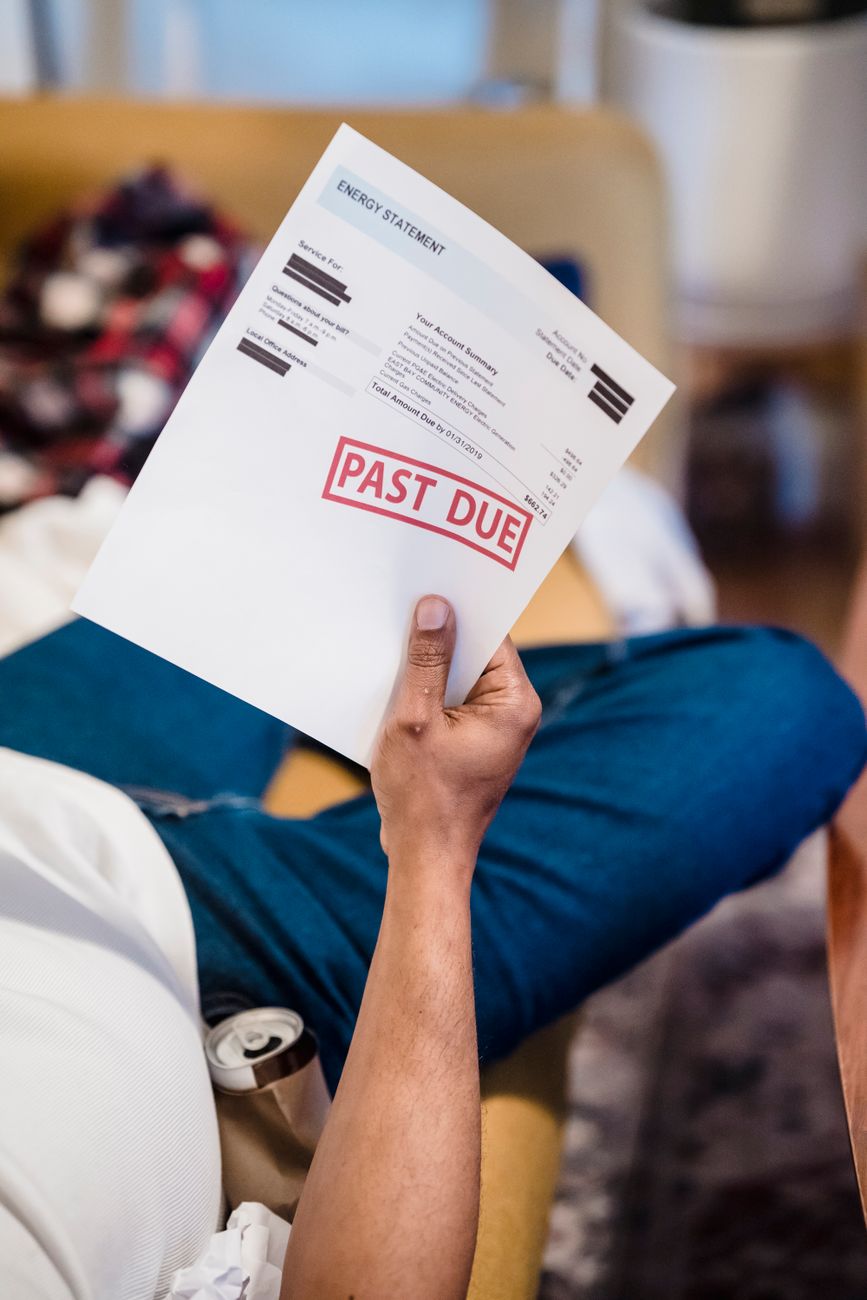
Moving into a house share is a fantastic milestone, but splitting shared utility bills can quickly become a stressful ordeal. If you are a UK tenant navigating this for the first time, understanding your legal obligations and practical steps is absolutely crucial.
Disagreements over money are the number one cause of disputes among housemates. This comprehensive guide will show you exactly how to split shared utility bills as a UK tenant fairly, legally, and without damaging your friendships.
Understanding Joint Liability in UK Tenancies
Before you can split shared utility bills effectively, you must understand the legal framework of your tenancy agreement. In the UK, most house shares operate under an Assured Shorthold Tenancy (AST) governed by the Housing Act 1988.
If you and your housemates signed a single, joint tenancy agreement, you are bound by joint and several liability. This means every single tenant is individually responsible for the full amount of the rent and any associated bills.
If your utilities are included in the rent, your landlord manages the providers. However, if the bills are in your collective names, the utility companies can pursue any one of you for the entire debt if others fail to pay.
Always check your tenancy agreement to see if utilities are included in the rent. If they are, you do not need to worry about splitting external energy or water bills at all.
The Golden Rules for Splitting Utility Bills
Establishing a clear system from day one is the best way to avoid arguments. How you split shared utility bills depends largely on how the accounts are set up with the providers.
Setting Up a Joint Account vs Individual Bills
You generally have two options for managing household energy, water, and broadband. You can either put the bills in a joint account or assign them to individual tenants.
A joint account means all housemates are named on the utility bills. This is the most common method for shared houses. It requires everyone to contribute equally to a central pot each month before the direct debit clears.
Alternatively, you can assign specific bills to individual housemates. For example, Tenant A pays the gas and electricity, Tenant B pays the water, and Tenant C pays the broadband. The others then reimburse the paying tenant via a banking app.
Hold a house meeting in your first week to decide whether to use a joint account or an assigned bills system. Write down your agreed method and share it in your house group chat.
Calculating Fair Shares Based on Usage
While splitting everything equally down the middle is the simplest method, it is not always the fairest. If one housemate works from home and uses significantly more heating, an equal split might cause resentment.
To calculate fair shares based on usage, you must assess each person’s consumption. This can be complex for gas and electricity, but it is highly effective for unmetered water or broadband speeds.
For energy, consider installing smart plugs or using smart meter data to see exactly which roommate is consuming the most power. However, remember that base costs like the daily standing charge should always be split equally.
Council Tax: The Biggest Shared Bill Explained
Council tax is often the most expensive utility bill a UK household faces, especially in higher bands. Understanding how this specific tax works is vital when learning how to split shared utility bills as a UK tenant.
Under the Local Government Finance Act 1992, liability for council tax falls on the residents of the property. If you have a joint tenancy, all adult residents are jointly and severally liable for the full council tax bill.
The standard approach is to split the annual council tax bill equally among all liable adults. However, there are important legal discounts and exemptions you must be aware of before dividing the costs.
If you are a full-time university student, you are legally exempt from paying council tax. Furthermore, if all residents in a property are students, the entire property is exempt from the tax. Always check your eligibility with your local authority.
If only one person in the house is a full-time student, the non-students must still pay. However, the student is ignored for the purposes of the 25% single-person discount. You can find comprehensive guidance on council tax liabilities by visiting GOV.UK.
Water Rates and Broadband: Fixed vs Variable Costs
Not all utilities are metered, and this distinction heavily impacts how you should split shared utility bills. Understanding the difference between fixed and variable costs will save you a lot of mathematical headaches.
If your home is connected to a water meter, you only pay for the exact volume of water you use. In this scenario, splitting the bill based on the number of residents is highly logical and fair.
If your home is unmetered (rated by its historic rateable value), the water bill is a fixed cost regardless of how much water you use. Here, an equal split among all adults is the only fair method.
Broadband and TV licences are generally fixed costs. Unless one housemate explicitly demands a vastly more expensive premium package, the base cost of internet and the TV licence should always be divided equally.
What Happens When a Housemate Doesn’t Pay?
It is the scenario every tenant dreads: a housemate refuses to pay their share of the shared utility bills. Because of joint and several liability, the utility company does not care who failed to contribute; they will chase everyone for the full amount.
If a direct debit fails and your accounts are joint, your credit score could be negatively impacted. The debt collection agency may also contact all named individuals on the bill, causing immense stress.
To protect yourself, you must act quickly. Do not wait for the debt to spiral out of control. Have a direct, documented conversation with the non-paying housemate immediately to agree on a repayment plan.
If they still refuse to pay, you may need to seek formal advice. Organisations like Citizens Advice can provide guidance on debt recovery and tenant rights in these difficult situations.
Practical Strategies for Managing Shared Bills
Knowing your legal rights is only half the battle. The practical management of these payments is where most house shares succeed or fail. You need a frictionless system that removes the guesswork.
First, utilise modern banking apps. Most UK banks allow you to set up recurring requests or automatic transfers. Requesting money on the 25th of each month gives everyone time before the direct debits clear on the 1st.
Second, keep a transparent, shared spreadsheet or use a dedicated household finance app. Everyone should be able to see exactly how much they owe and what has been paid.
Third, conduct regular reviews. Utility prices change frequently, especially with recent energy price cap adjustments. Periodically reviewing your usage with a tool from PadAudit can help you identify inefficiencies and reduce your overall household spending.
Create a shared digital folder to store all utility account numbers, passwords, and PDF bills. This ensures anyone in the house can access the information if a provider calls or an emergency arises.
Finally, always take meter readings on the exact day you move in and the exact day you move out. Photograph these readings and timestamp them. This prevents you from paying for a previous tenant’s usage or being charged for a new tenant’s consumption.
Frequently Asked Questions
What if I want to leave the tenancy early?
If you leave a joint tenancy early, you remain jointly and severally liable for the utility bills until your name is officially removed from the contracts. You must formally contact the utility providers, provide your forwarding address, and supply a final meter reading taken on the exact day you vacate the property. Simply moving out and stopping your payments is a breach of contract.
Can the landlord force me to pay utilities if they aren’t in the tenancy agreement?
No. Your landlord cannot arbitrarily force you to pay for utilities if they are not explicitly stated in your tenancy agreement. If the agreement states that bills are included in the rent, the landlord absorbs the cost of any usage spikes. Any changes to utility responsibilities must be mutually agreed upon in writing, usually via a formal addendum to the contract.
How do we split bills if someone is only home part-time?
For fixed daily costs like broadband, the absent housemate must still pay an equal share, as they are contracted for the service. For variable costs like gas and electricity, you can agree to a pro-rata split based on the number of days they are present. However, this requires immense trust and meticulous tracking, so many housemates prefer to keep it simple and split equally.
Leave a Reply