Dealing with estimated energy readings can quickly drain your monthly budget and cause unnecessary stress. When your energy supplier bases your bill on a guess rather than actual usage, you risk overpaying significantly on your gas and electricity. This comprehensive guide will help you understand your rights and take back control of your energy costs in your UK rental property.
Estimated bills are a common frustration for tenants, but they do not have to be an unavoidable part of renting. By understanding the rules, you can challenge inaccurate bills, stop silent overpayments, and ensure you only pay for the energy you actually use.
Why Energy Suppliers Use Estimated Readings
Access Issues and Meter Failures
Energy suppliers rely on regular readings from your property to calculate your actual usage. If a meter reader cannot access your home, or if you simply forget to submit a manual reading, the supplier must keep billing you.
To avoid zero-billing accounts, they will generate an estimated reading based on your historical usage or industry averages. While this keeps your account active, it frequently leads to massive inaccuracies.
Smart Meter Communication Failures
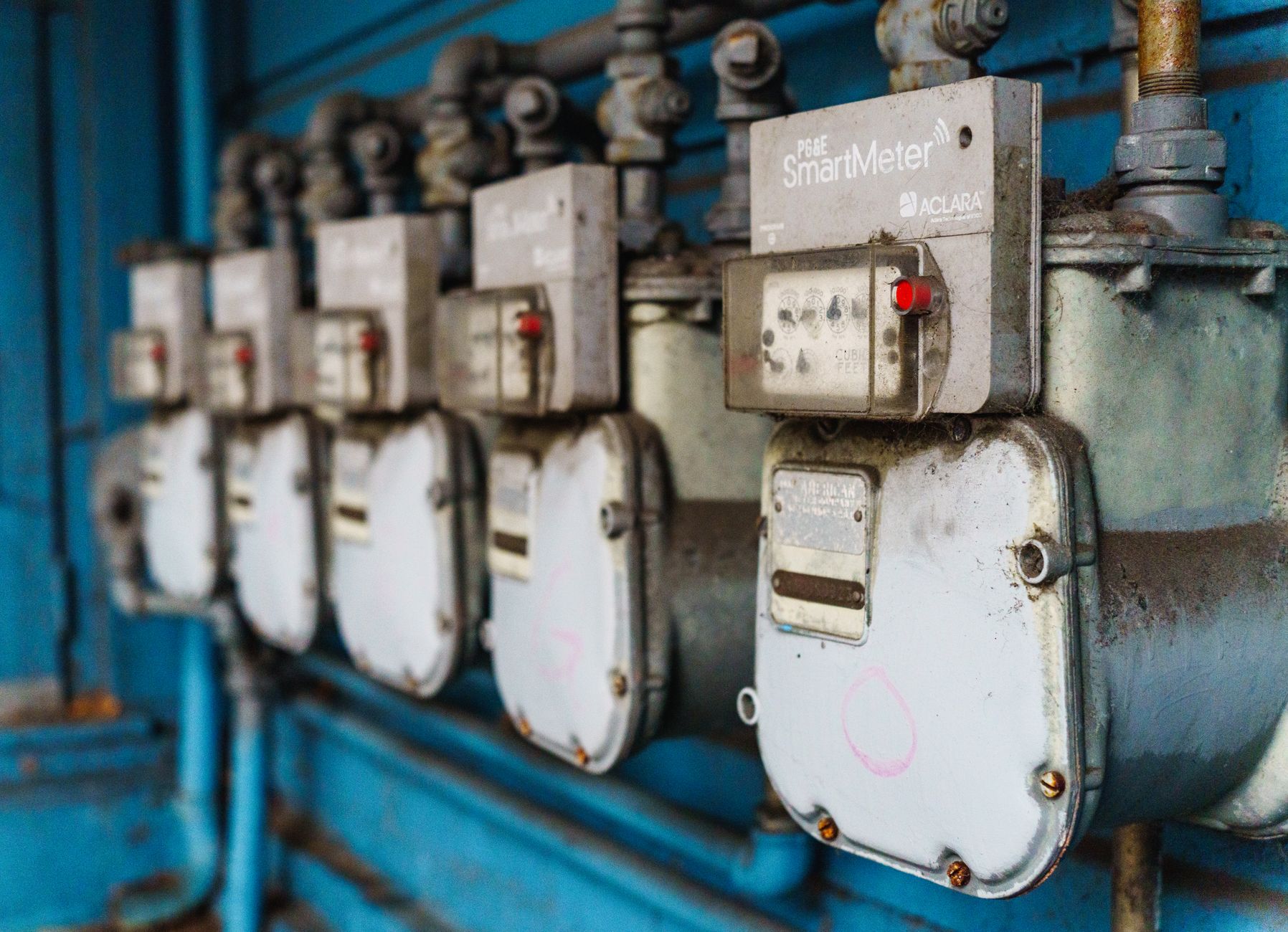
Smart meters are designed to automatically send readings to your supplier. However, the Data Communications Company (DCC) network can sometimes fail to transmit this data.
When a smart meter goes ‘dumb’ and loses its data connection, the supplier reverts to estimated billing. This means you could be paying for a home’s worth of energy while living in a flat, or vice versa.
The Hidden Financial Impact of Estimated Bills
The immediate cost of an estimated reading is often an overpayment, which silently builds up. You are essentially giving your supplier an interest-free loan every single month.
The real danger occurs when a correct reading is finally taken. The supplier will issue a massive ‘catch-up’ bill to recover the difference.
This sudden spike in debt can cause severe financial hardship. It is crucial to monitor your statements and catch these discrepancies before they spiral into unmanageable arrears.
Check whether your bill states ‘E’ for estimated or ‘A’ for actual next to the reading. If you see an ‘E’, you are currently paying for a guess.
Your Legal Protections Under UK Energy Law
UK tenants are strongly protected against unfair billing practices. The energy market is heavily regulated to ensure consumers are treated fairly.
Ofgem Guaranteed Standards of Performance
The industry regulator, Ofgem, has established Guaranteed Standards of Performance (GSOP). These rules legally bind energy suppliers to specific service levels.
For example, if a supplier fails to resolve a billing query within the required timeframe, or if they fail to issue a corrected bill within 10 working days of a correct reading being provided, they owe you automatic compensation.
You can review the official GSOP regulations on the Ofgem website to understand exactly what your supplier owes you.
Consumer Rights Act Protections
Under the Consumer Rights Act 2015, services must be provided with reasonable care and skill. If a supplier persistently bills you incorrectly due to administrative failures, they may be in breach of this act.
This gives you the legal ground to demand a full review of your account and compensation for the distress and inconvenience caused by their errors.
Step-by-Step Guide to Disputing Estimated Readings
Stopping overpayments requires a proactive approach. You cannot simply wait for the supplier to notice their mistake.
Step 1: Take a Current Reading
Locate your electricity and gas metres. Take a clear, accurate reading of the numbers from left to right, ignoring any red numbers or digits in red.
Take a timestamped photograph of the metre display with your smart phone. This serves as undeniable proof of your actual usage on that specific date.
Step 2: Submit the Reading and Challenge
Log into your online energy account or use your supplier’s app to submit the actual reading. This should immediately trigger a recalculation of your direct debit.
If your direct debit does not decrease, contact customer services. State clearly that you are challenging the estimated reading and quote the GSOP compensation rules to show you understand your rights.
Keep a dedicated log of every call, noting the date, the agent’s name, and what was agreed. Request a summary email after every phone call to create a paper trail.
Estimated Readings When Your Landlord Controls the Bills
Things become more complicated if your tenancy agreement states that energy bills are included in your rent. In these situations, the landlord or letting agent is the named customer.
You have no direct contractual relationship with the energy supplier, meaning you cannot challenge the readings yourself. However, your landlord has strict obligations regarding what they can charge you.
If your landlord controls the metres and bills, you might be dealing with unregulated charges or hidden margins. Read our guide on how to fight unfair energy bills from your UK landlord to understand your specific protections in this scenario.
Under the Tenant Fees Act 2019 and Ofgem’s resale rules, a landlord must not charge you more for energy than they are billed by the supplier. If they are receiving estimated bills and passing those inflated costs on to you, they are likely acting unlawfully.
Escalating Disputes to the Energy Ombudsman
If your supplier refuses to correct your estimated readings or denies you the GSOP compensation you are owed, you must escalate the issue.
Energy suppliers have up to eight weeks to resolve a formal complaint. If they fail to do so, or if they issue a ‘deadlock letter’, you can escalate your case to the Energy Ombudsman.
The Ombudsman service is completely free for consumers. They have the legal authority to force the supplier to correct your account, refund overpayments, and pay additional compensation for poor service.
For more detailed guidance on how to navigate this process, you can contact Citizens Advice, who offer excellent free support for utility disputes.
Preventing Future Estimated Readings
The best way to stop overpaying is to ensure your supplier always has accurate data. Consistency is key to maintaining a healthy energy account.
Setting Up Regular Reminders
If you have a traditional metre, set a recurring monthly alarm on your phone to submit a reading. Doing this on the same day each month makes it easier to spot unusual spikes in usage.
Getting a Working Smart Meter
Smart meters are the ultimate defence against estimated readings. If yours is broken, demand that the supplier fix or replace it immediately under their GSOP obligations.
Taking control of your own account gives you the power to manage costs directly. You can also learn how to switch energy suppliers to cut UK energy costs if your current provider is consistently failing to provide accurate billing.
Navigating utility disputes and understanding your rights can be complex, but resources like PadAudit can help you stay informed and protect your rental budget.
Frequently Asked Questions
Can my supplier charge me a massive catch-up bill after I submit a correct reading?
Yes, but only for the actual energy you consumed. If you were overcharged due to persistent estimated readings, you must ask the supplier to adjust your debt into affordable, interest-free instalments rather than paying in one lump sum.
What happens if I refuse the supplier access to read my metre?
While you are not legally forced to let a meter reader into your home, refusing access will result in your supplier switching to estimated readings. It is always better to take your own reading and submit it securely online to avoid overpaying.
How do I claim compensation for being overcharged on estimated bills?
You should first raise a formal complaint with your energy supplier, citing the Ofgem Guaranteed Standards of Performance. If they do not resolve the issue or pay the required compensation within eight weeks, you can escalate the claim to the Energy Ombudsman.