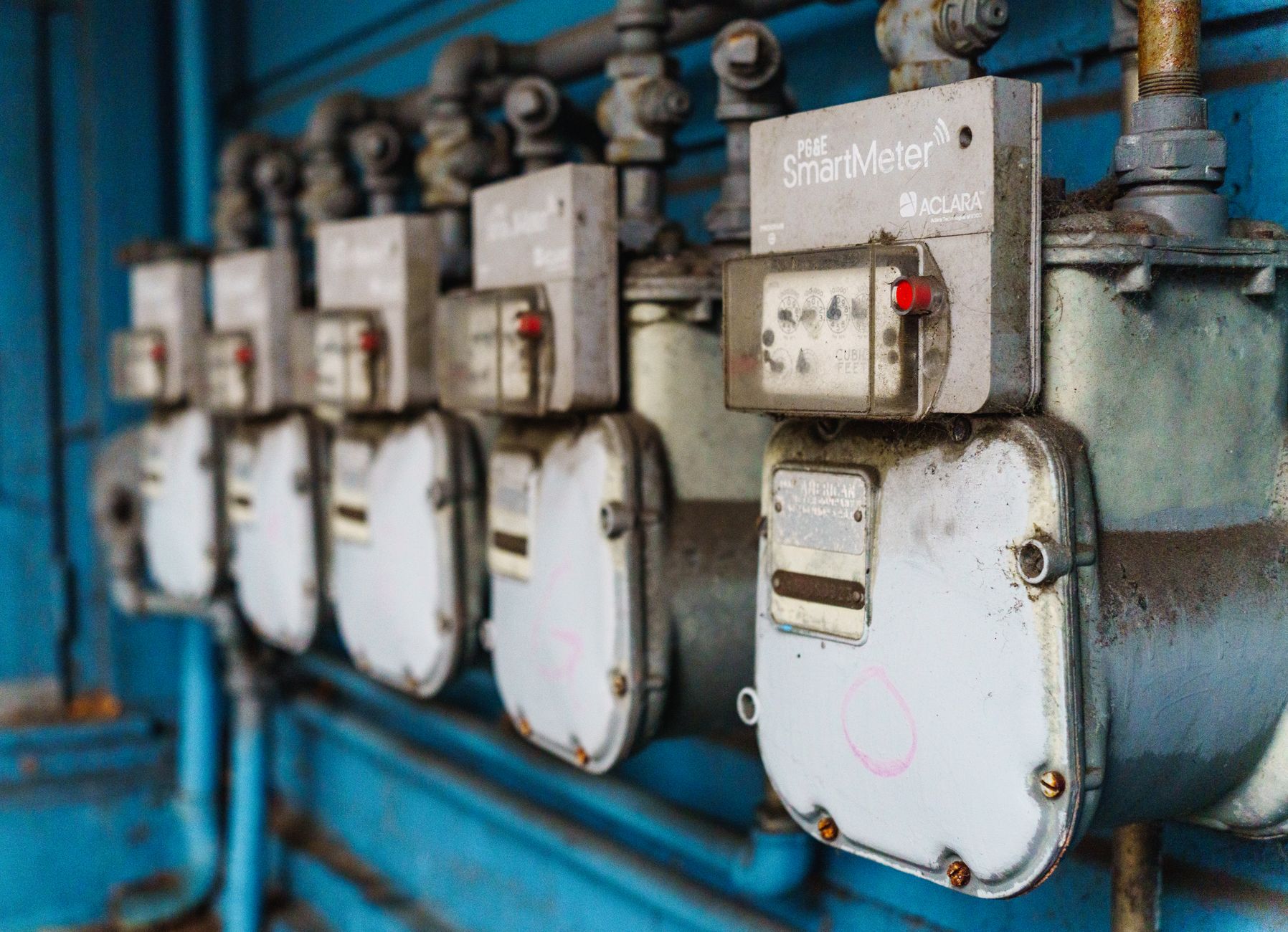
Imagine arriving home after a long day to find your property in complete darkness, the heating switched off, and the hot water cold. For many UK renters, this nightmare scenario is more common than they think.
Landlords who cut off utilities—whether intentionally or through sheer negligence—are breaking the law in multiple ways. Understanding your UK tenant rights when landlords cut off utilities is essential to protecting your safety, your health, and your budget.
This comprehensive guide explores the five critical rights available to you, the legislation that backs them up, and the exact steps you can take to force your landlord to act.
Right To Continuous Utility Supply Under Your Tenancy Agreement
Your tenancy agreement is a legally binding contract. If your agreement states that utilities are included in the rent, your landlord has a contractual obligation to ensure continuous supply.
When a landlord fails to maintain these services, they are in direct breach of contract. This applies whether the property is managed by a private landlord, a letting agency, or a housing association.
What Happens When Utilities Are Included In Rent
If your rent covers gas, electricity, or water, your landlord is responsible for paying the supplier. If they fail to pay, the supplier may disconnect your service—and that is your landlord’s fault, not yours.
Under the Protection from Eviction Act 1977, it is a criminal offence for a landlord to intentionally withdraw essential services to force a tenant out. This includes deliberately failing to pay utility bills.
If your utilities are included in your rent, keep receipts or bank statements proving you have paid your rent on time. This gives you clear evidence that your landlord’s failure to pay suppliers is entirely their own doing.
When You Pay Utilities Directly
If you pay your own energy bills directly to the supplier, your landlord cannot legally interfere with your accounts. Switching your meter to prepayment without your consent is a serious breach of your rights, and you can learn more about this in our guide on how to block unfair prepayment meter switches in UK rentals.
Right To Safe, Habitable Living Conditions
Under Section 11 of the Landlord and Tenant Act 1985, landlords are legally required to keep installations for the supply of water, gas, electricity, and sanitation in proper working order.
This means it is not simply about paying bills. If your landlord neglects the property’s infrastructure—allowing pipes to freeze, boilers to break, or wiring to deteriorate—this is a breach of their statutory duty.
What Counts As Uninhabitable
A property without heating or hot water during winter months can quickly become uninhabitable. The Homes (Fitness for Human Habitation) Act 2018 gives tenants the right to take legal action if their home poses a risk to their health or safety.
- No heating or hot water: Especially dangerous for children, the elderly, or those with medical conditions.
- No running water: Makes basic sanitation, cooking, and hygiene impossible.
- No electricity: Affects lighting, cooking, refrigeration, and medical equipment.
Under the Housing Act 2004, local councils have a duty to inspect properties where hazards have been reported. A utility disconnection can be classified as a Category 1 hazard under the Housing Health and Safety Rating System (HHSRS).
Contact your local council’s environmental health department immediately if your utilities have been cut off and your landlord is unresponsive. They have the power to issue an Improvement Notice forcing your landlord to act within a set timeframe.
Right To Take Legal Action For Loss Of Essential Services
When a landlord’s actions—or inaction—cause you to lose access to essential utilities, you have the right to pursue legal remedies. This is where your position as a tenant becomes significantly stronger than many people realise.
Breach Of Quiet Enjoyment
Every UK tenancy includes an implied covenant of quiet enjoyment. This means your landlord must not interfere with your reasonable use and enjoyment of the property.
Deliberately cutting off utilities is a textbook breach of this covenant. You may be entitled to claim compensation for damage to belongings (such as food spoiling in a broken fridge) and for the distress and inconvenience caused.
Pursuing Compensation Through The Courts
If your landlord refuses to restore your utilities promptly, you can take the matter to the county court. The court can order your landlord to carry out repairs and pay you damages.
Depending on the severity and duration of the disconnection, compensation claims can reach thousands of pounds. You should explore the full scope of available claims in our article on 5 UK tenant rights to trigger landlord rent repayment orders.
Right To Report Your Landlord To The Relevant Authorities
You have the right—indeed, in some situations, a practical obligation—to report utility disconnections to official bodies. Landlords who cut off utilities often face consequences from multiple regulatory channels simultaneously.
Contacting Your Local Council
Environmental health officers at your local council can investigate complaints about utility disconnections. Under the Housing Act 2004, they can issue enforcement notices and, in severe cases, carry out emergency works themselves and bill the landlord.
As Citizens Advice confirms, if your landlord has cut off your gas or electricity supply, this could be considered harassment and you should report it immediately.
Reporting To The Energy Ombudsman
If your landlord has interfered with your energy supply or if there is a dispute about who is responsible for the disconnection, you can escalate the matter to the Energy Ombudsman. This service is free for consumers and its decisions are legally binding on energy companies.
For issues around harassment and illegal eviction through utility shut-offs, you can also contact Shelter, which provides expert housing advice and can help you understand your enforcement options.
Keep a detailed written log of every communication with your landlord, every period without utilities, and any expenses you incur as a result—such as alternative accommodation, food replacement, or portable heaters. This evidence is critical for any legal claim.
Right To Protection Against Retaliatory Eviction
One of the most common fears among tenants is that reporting a problem will trigger a retaliatory eviction. Fortunately, UK law offers specific protections for tenants in exactly this situation.
The Deregulation Act 2015 And Retaliatory Evictions
Under Section 33 of the Deregulation Act 2015, if a local council issues a relevant notice (such as an Improvement Notice) after investigating your complaint about utility disconnection, your landlord cannot serve a valid Section 21 eviction notice for six months.
This is known as the retaliatory eviction defence. It is designed precisely so that tenants can report genuine hazards without fear of losing their home.
When Section 21 Notices Are Invalid
It is worth noting that there are numerous technical errors that can invalidate a Section 21 notice entirely. To understand whether your landlord’s eviction notice holds up legally, read our detailed guide on 7 technical errors that invalidate a UK Section 21 eviction notice.
If your landlord serves a Section 21 notice shortly after you reported a utility disconnection, do not panic. Seek advice from Shelter or a housing solicitor immediately—the notice may be legally invalid, and you could challenge it in court.
Immediate Steps To Take When Your Utilities Are Cut Off
Knowing your rights is only half the battle. You need to act quickly and methodically to restore your utilities and protect your legal position.
Step 1: Contact Your Landlord In Writing
Send your landlord a formal letter or email immediately. Clearly state the problem, the date and time utilities were cut off, and request urgent restoration. Request a response within 24 hours.
Step 2: Check With Your Suppliers
Before assuming your landlord is at fault, contact your utility suppliers directly. Confirm whether the disconnection is due to non-payment, planned maintenance, a technical fault, or an external issue.
Step 3: Document Everything
Photograph your meters, keep records of your communications, and note the dates and times of every conversation. Use PadAudit to maintain a clear, timestamped record of all property issues and their resolution progress.
Step 4: Escalate To Your Local Council
If your landlord does not act within 24 to 48 hours, contact your local council’s environmental health team. They can inspect the property and issue formal enforcement notices.
Step 5: Seek Legal Advice
Consult a housing solicitor or your nearest Citizens Advice bureau. They can help you understand whether you have grounds for a compensation claim or an injunction to force your landlord to restore services.
If you are a vulnerable tenant—for example, you have young children, a disability, or a medical condition requiring electrical equipment—make this explicitly clear in all communications. Local councils prioritise cases involving vulnerable occupants and can act far more quickly.
Special Circumstances And Edge Cases
HMO Tenants And Utility Disconnections
If you live in a House in Multiple Occupation (HMO), your landlord has additional licensing obligations. Utility disconnections in an HMO may indicate broader management failures. Learn more about your protections in 5 legal rights available to UK tenants in unlicensed HMOs.
Disputes Between Joint Tenants
In joint tenancies, disagreements about utility payments can lead to disconnections. Remember that all joint tenants are jointly and severally liable for the rent, and if utilities are included, the landlord remains responsible for supply regardless of internal disputes.
Landlord Selling The Property
If your landlord is in the process of selling the property, they cannot use utility disconnections as a tactic to pressure you into leaving. For a complete breakdown, see our article on how to legally navigate a UK landlord selling your rental property.
Frequently Asked Questions
Can My Landlord Legally Cut Off My Utilities To Force Me To Leave?
Absolutely not. Under the Protection from Eviction Act 1977, deliberately withdrawing essential services such as gas, electricity, or water to force a tenant out is a criminal offence. You can report this to the police and your local council, and you may also pursue compensation through the civil courts.
How Long Can A Landlord Take To Restore Utilities?
While there is no fixed statutory timeframe, the law requires landlords to act within a reasonable period. For essential services like heating and hot water in winter, this typically means 24 hours. If your landlord fails to act promptly, contact your local council’s environmental health team to escalate the matter.
Can I Withhold Rent If My Utilities Are Cut Off?
Withholding rent is legally risky and is not generally recommended as a first step. Your rent obligation exists independently of your landlord’s repair obligations. Instead, report the issue to your local council, seek an injunction if necessary, and pursue a compensation claim through the courts. Always seek professional legal advice before considering rent withholding.
Leave a Reply