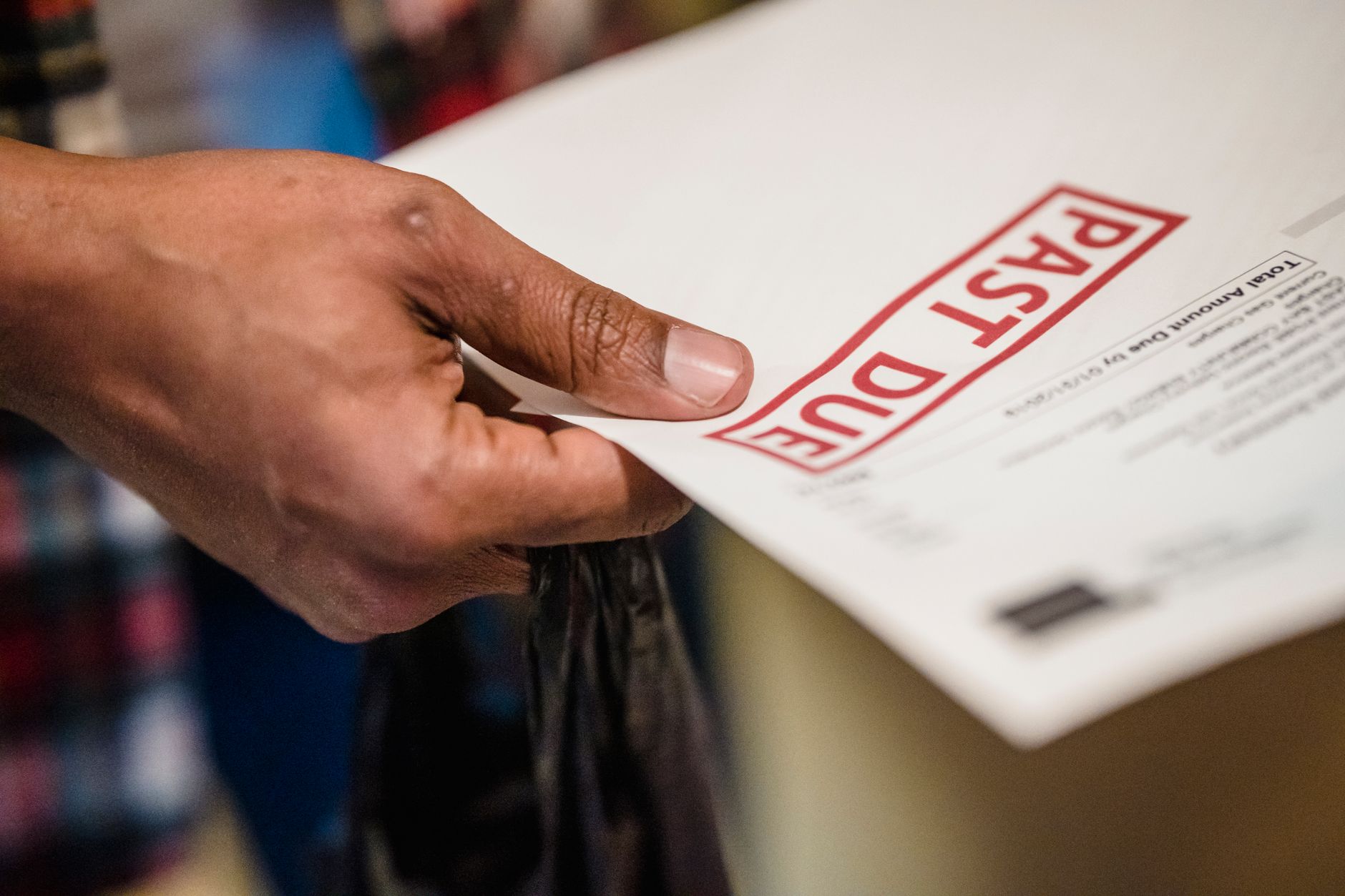
Winter in the UK means soaring energy bills, drafty windows, and the creeping dread of opening your next energy statement. Yet thousands of tenants simply accept inflated costs without realising the law is squarely on their side.
From hidden charges baked into your bill to your landlord’s legal duty to keep you warm, a raft of UK tenant energy rights exist that most renters never exercise. This guide uncovers five rights you absolutely need to know before the cold months hit their peak.
1. Your Right to Challenge Unfair Energy Standing Charges
A standing charge is the fixed daily amount you pay to your energy supplier simply for being connected to the grid, regardless of how much gas or electricity you use.
During winter 2024–2025, standing charges in Great Britain averaged around 60p per day for electricity and 30p per day for gas. That adds up to roughly £328 a year before a single unit of energy has been consumed.
Here’s what many tenants miss: standing charges must be clearly and transparently displayed on your energy tariff under Ofgem rules. If your supplier has sneaked in an increase without proper notice, you could have grounds to challenge it.
Check your latest energy bill and compare the standing charge against the current Ofgem price cap. If it exceeds the capped level, you are being overcharged and are entitled to a refund.
Under the Consumer Rights Act 2015, all terms in your energy contract must be fair and transparent. Hidden or unexplained increases in standing charges could breach this legislation.
Tenants on prepayment meters are particularly affected. Suppliers must ensure that daily standing charge deductions do not push your debt repayment above the affordable limits set by Ofgem’s guidelines.
For a deeper breakdown of how to reclaim overpaid charges, read our full guide on how UK tenants can reclaim overcharged energy standing charges.
Pull your most recent energy bill. Note your current standing charge for both gas and electricity. Compare these figures against the Ofgem price cap for your region. If they exceed the cap, contact your supplier in writing to request a refund.
2. Your Right to Demand Adequate Heating and Insulation
Under Section 11 of the Landlord and Tenant Act 1985, your landlord has a legal obligation to keep the property in repair, which includes ensuring the heating and hot water systems are in working order.
But that’s not the only law protecting you. The Homes (Fitness for Human Habitation) Act 2018 gives tenants the power to take legal action if their home is unfit to live in — and cold, poorly insulated properties can fall into this category.
The Housing Health and Safety Rating System (HHSRS) sets the framework. Local councils can assess excess cold as a Category 1 hazard and compel your landlord to act.
Key things your landlord must provide:
- A working central heating or fixed heating system capable of maintaining a reasonable temperature.
- Functional hot water available at all times.
- Adequate insulation, including functioning loft insulation where applicable.
- Double-glazed or adequately sealed windows to prevent excessive heat loss.
If your landlord refuses, you can use the tools available at PadAudit to formally document your concerns before escalating.
You may also want to explore how to demand better insulation to slash your UK energy costs, or learn about the UK Minimum Energy Efficiency Standards that cap heating costs.
Request your property’s EPC (Energy Performance Certificate) rating from your landlord. Under the MEES Regulations, privately rented properties must achieve a minimum EPC rating of E. If yours is rated F or G, your landlord is in breach and must carry out improvements.
3. Your Right to Accurate Billing — No More Estimated Reads
One of the most costly mistakes UK tenants make during winter is allowing their energy supplier to issue estimated bills rather than actual meter readings.
Estimated readings are often based on historic usage patterns and are frequently higher than your real consumption, especially if the supplier defaults to winter-weighted estimates.
Under Ofgem’s licence conditions, your supplier has a duty to bill you based on actual usage. If you submit a meter reading, they must use it to recalculate your bill.
This is especially critical for tenants with prepayment meters. Inherited debt from a previous tenant’s estimated charges can be legally disputed. You are not responsible for debt that accrued before your tenancy began.
Take a photo of your gas and electricity meters on the first of every month. Submit the actual readings via your supplier’s app or website. Keep dated screenshots as evidence in case of billing disputes.
For a comprehensive walkthrough on stopping overpayment, check out our guide on how to stop overpaying on estimated energy readings in UK rentals.
If you discover you have inherited debt on a prepayment meter, our dedicated article on how to dispute inherited prepayment meter debt will show you exactly how to challenge it.
4. Your Right to Switch or Assign Your Energy Supplier
Many tenants assume they are stuck with whatever energy arrangement their landlord set up. This is simply not true in most cases.
Under the Energy Act 1995 and Ofgem regulations, tenants who pay their own energy bills (whether directly to a supplier or via a landlord-recharge arrangement) have the right to choose their own supplier.
If your landlord recharges you for energy, they must provide:
- A copy of the original energy bill from the supplier.
- A fair apportionment of costs if you share the property with others.
- Any commission or markup must be transparent — under the Tenant Fees Act 2019, landlords cannot charge you above what they are billed.
Landlords who recharge energy costs cannot legally add a profit margin. They must pass on the exact cost. If you suspect your landlord is overcharging, request original bills from the supplier and cross-reference every figure.
Switching suppliers can save you hundreds of pounds over a winter. Visit gov.uk for guidance on your rights as a tenant to switch energy providers.
For step-by-step advice on making the switch without conflict, read our guide on how to switch energy suppliers to cut UK energy costs.
If you share bills with housemates, it is worth understanding how to divide costs fairly to avoid disputes. Learn more in our piece on how to split shared utility bills as a UK tenant.
5. Your Right to Protection from Disconnection and Unfair Debt Recovery
Winter is the harshest time to face an energy disconnection threat. Fortunately, UK law provides some powerful protections.
Ofgem’s rules strictly prohibit suppliers from disconnecting a prepayment meter in winter months (October to March) if it would leave a vulnerable person without heat or hot water.
You may qualify as a vulnerable customer if you are:
- Of pensionable age.
- Disabled or chronically ill.
- Living with children under five.
- Mentally ill or housebound.
Even if you do not meet these criteria, energy suppliers must follow the Energy Suppliers’ Obligation to Inform Customers of their Rights as set out by Ofgem. They must also offer you a repayment plan before taking debt recovery action.
Under the Supply of Electricity and Gas (Disconnection) Procedures, no household may be disconnected without proper notice and a genuine attempt to resolve arrears.
If you are struggling with energy costs, register on your supplier’s Priority Services Register (PSR). This free scheme gives customers extra protections, including advance warning of planned supply interruptions and additional support during cold weather.
Tenants should also be aware of government support schemes. The Warm Home Discount provides a one-off reduction on electricity bills for eligible households, and the Cold Weather Payment offers £25 for each seven-day period of extremely cold weather between November and March.
For broader guidance on protecting your rental budget during winter, see our article on five UK tenant rights that protect your monthly rental budget.
And remember, energy is not your only winter expense. Council tax remains due, and you may be eligible for discounts. Find out how in our guide on how to claim council tax discounts to boost your UK budget.
Bonus: Common Energy Myths UK Tenants Fall For in Winter
Let’s clear up a few misconceptions that cost tenants real money every winter:
- “If bills are included in my rent, the landlord pays everything.” — Not necessarily. Many landlords cap included bills or charge excess. Always check your tenancy agreement carefully.
- “Prepayment meters are always cheaper.” — Prepayment meters historically carried higher unit rates. Recent Ofgem reforms have narrowed the gap, but prepayment is not automatically the best deal.
- “I cannot complain if my landlord handles the energy account.” — You always retain the right to challenge billing, switch suppliers, and report unfair practices to Ofgem.
We explored more misconceptions in our breakdown of five UK tenant energy myths: who actually pays what.
Your Practical Winter Energy Checklist
To make sure you are not missing out on any of these rights, use this quick checklist each winter:
- Submit actual meter readings every month — never accept estimated bills silently.
- Check your standing charges against the Ofgem price cap.
- Request your property’s EPC rating and flag any rating below E.
- Ensure your heating system is serviced and functioning as required under Section 11 of the Landlord and Tenant Act 1985.
- Register on the Priority Services Register if you or anyone in your household is vulnerable.
- Check eligibility for the Warm Home Discount and Cold Weather Payment.
- Review your tenancy agreement to confirm whether bills are included and under what terms.
Set a recurring monthly reminder on your phone to record and submit your actual meter readings. Take a timestamped photo each time. This single habit can save you from months of overestimated billing.
What to Do When Your Rights Are Ignored
If your landlord or energy supplier refuses to address your concerns, you have clear escalation paths:
- Internal complaint: Raise a formal written complaint with your supplier’s complaints team. They must respond within eight weeks.
- Energy Ombudsman: If your supplier fails to resolve your complaint, escalate it to the Energy Ombudsman for free and independent arbitration.
- Local council environmental health: For heating, insulation, or habitability issues, contact your local council. They can carry out an HHSRS assessment and serve an improvement notice on your landlord.
- Citizens Advice: Visit Citizens Advice for free, impartial guidance on your specific situation.
- Legal action: Under the Homes (Fitness for Human Habitation) Act 2018, you can take your landlord to court if the property fails to meet basic standards. Seek advice from Shelter for housing-specific legal support.
Never stop paying your rent in frustration — even if your landlord is failing their legal duties. This can give them grounds for possession proceedings. Always seek formal legal advice first through a service like Shelter or your local council.
Understanding the rights that protect your monthly rental budget is the foundation for confidently pushing back against unfair energy practices.
Frequently Asked Questions
Can my landlord charge me extra for standby energy costs?
No. Under the Tenant Fees Act 2019 and Ofgem rules, a landlord who recharges energy costs to a tenant must pass on the exact amount billed by the supplier. Adding a markup or “standby fee” is illegal. If your landlord is doing this, you can challenge it formally and request a refund of any overpayment through the First-Tier Tribunal.
What should I do if my energy is about to be cut off in winter?
Contact your supplier immediately and ask to be placed on a repayment plan. If you or someone in your household is vulnerable, ask to be added to the Priority Services Register. Energy suppliers are heavily restricted from disconnecting homes during October to March, particularly where vulnerable residents are involved. If a disconnection is imminent, contact Citizens Advice or Shelter for urgent support.
Are tenants in bills-included tenancies still covered by these energy rights?
Yes, partially. While you may not deal directly with the supplier, your landlord still cannot charge you more than the actual energy cost for your portion of usage. The Homes (Fitness for Human Habitation) Act 2018 also applies regardless of how bills are paid — your landlord must still ensure the property is adequately heated and insulated. If you believe your landlord is breaching these obligations, you can escalate through the local council’s environmental health team.
Leave a Reply