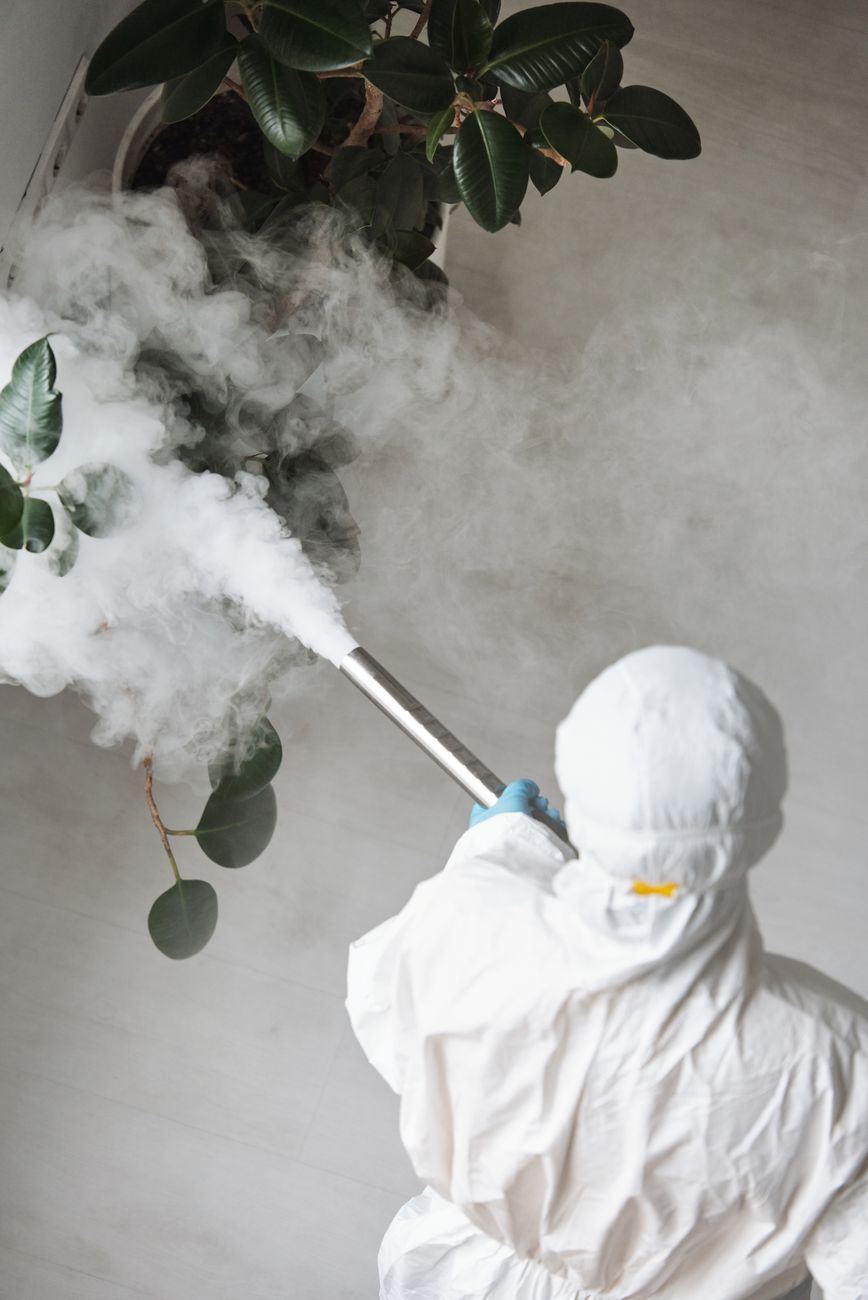
Pest infestations are one of the most stressful issues a tenant can face. Rats, mice, cockroaches, and bed bugs don’t just damage your peace of mind — they can seriously dent your wallet if you’re forced to pay for treatment yourself.
Many UK renters assume pest control is always their financial responsibility. That is simply not true. UK law gives tenants specific rights that can save you hundreds — even thousands — of pounds. Let’s break down exactly how.
Understanding Who Is Responsible For Pest Control
Before diving into your rights, it’s essential to understand the legal framework around pest control in rental properties. The Landlord and Tenant Act 1985, specifically Section 11, places a clear duty on landlords to maintain the structure and exterior of a property.
This means if pests are entering your home through gaps in walls, broken windows, or faulty foundations, your landlord is legally obligated to fix those entry points and arrange treatment. The problem must stem from a disrepair issue for this duty to apply.
Always document the route pests are entering from. Photograph gaps, cracks, and structural defects. This evidence is crucial when holding your landlord accountable under Section 11.
The Environmental Protection Act 1990 And Pest Infestations
Under the Environmental Protection Act 1990 and the Homes (Fitness for Human Habitation) Act 2018, a serious pest infestation can render a property legally unfit for habitation. Your landlord must then act within a reasonable timeframe to resolve the issue.
If your landlord fails to act, you can contact your local council’s environmental health department. They have the power to serve an improvement notice on your landlord, compelling them to carry out pest control works.
Right One: Landlord Must Treat Pre-Existing Infestations
If you discovered a pest problem within the first days or weeks of moving in, there is strong legal precedent that the infestation was pre-existing. In these cases, your landlord must bear the full cost of treatment.
The logic is straightforward. You accepted the property in what appeared to be a reasonable condition. Pest problems that were already present — even if hidden — are the landlord’s responsibility to remedy.
Bed bugs, for instance, can hide in mattresses, skirting boards, and furniture for months before becoming visible. Rats may have been active in the cavity walls before you moved in. These are not issues you caused.
Within 48 hours of discovering a pest problem, write to your landlord in writing stating clearly that you believe the infestation pre-dates your tenancy. Include dates, photographs, and a request for professional treatment at their expense.
How To Prove The Infestation Was Pre-Existing
Strengthen your case by gathering evidence quickly. Check your inventory report — if pest damage or droppings were noted but not addressed, this is powerful evidence. Speak to neighbours and the previous tenants if possible. A pest control professional can also provide expert testimony about the infestation’s likely timeline.
For more on the connection between property disrepair and health issues, our guide on hidden health and safety hazards UK landlords must fix covers related obligations in detail.
Right Two: Structural Disrepair Causing Pest Entry
This is perhaps the most powerful right available to tenants. If pests are entering your home through structural defects that your landlord has failed to repair, they are financially responsible for both the repairs and any resulting pest control costs.
Common examples include broken or missing roof tiles, gaps around pipework, damaged brickwork, cracked drainage pipes, and deteriorating window frames. All of these fall under your landlord’s Section 11 repairing obligations.
The law is clear here. A tenant cannot be expected to pay for pest control when the root cause is a structural failure that the landlord is legally required to maintain. It would be like asking someone to pay for flood damage when the landlord refused to fix a leaking roof.
What Qualifies As Structural Disrepair
- Roofing defects: Missing tiles, damaged flashing, or deteriorating soffits allow rats and birds to nest inside walls.
- External wall damage: Crumbling mortar, cracked render, and gaps around utility pipes create easy entry points.
- Floor and foundation issues: Cracked floorboards, broken air brick covers, and subfloor gaps let mice through.
- Drainage failures: Blocked or collapsed drains attract rats and cockroaches in large numbers.
- Window and door deterioration: Rotten frames and broken seals allow wasps, ants, and other insects inside.
Take timestamped photographs of every structural defect you can find. Email them to your landlord with a formal written request for repairs. Keep copies of all correspondence — you may need this evidence later.
Right Three: Council-Powered Treatment At No Cost To You
If your landlord refuses to act, your local council’s environmental health team can intervene under the Environmental Protection Act 1990. A pest infestation that constitutes a statutory nuisance gives the council the authority to compel your landlord to take action.
The council can serve an abatement notice requiring your landlord to resolve the issue. If your landlord fails to comply, they can face prosecution and fines of up to £5,000 in a magistrates’ court.
Better still, many councils offer free or subsidised pest control services directly to tenants. This is especially true for councils experiencing high rates of rodent infestations. Contact your local authority to find out what services are available in your area.
For authoritative guidance on reporting housing problems, visit GOV.UK and search for your local council’s environmental health department.
Contact your local council environmental health department and request a property inspection. Provide your written correspondence with your landlord as evidence that you have already attempted to resolve the matter privately.
How The Statutory Nuisance Process Works
Once you make a complaint, the council must investigate within a reasonable timeframe. An environmental health officer will visit the property and assess whether the infestation constitutes a statutory nuisance. If it does, they follow a formal legal process:
- Step 1: The officer inspects the property and documents the severity of the infestation.
- Step 2: If a statutory nuisance exists, the council serves an abatement notice on your landlord.
- Step 3: Your landlord must comply within the specified timeframe — usually 21 days.
- Step 4: Non-compliance can result in the council carrying out the work themselves and recharging your landlord, or prosecuting them in the magistrates’ court.
Right Four: Protection Against Unfair Tenant Fees For Pest Control
The Tenant Fees Act 2019 bans landlords and letting agents from charging most fees to tenants in England. While pest control is not explicitly listed, any attempt by your landlord to pass on the cost as a default charge or lease variation fee may fall foul of this legislation.
If your tenancy agreement contains a clause requiring you to pay for pest control, its enforceability depends on the circumstances. Where the infestation arises from structural disrepair — which is overwhelmingly the case — such a clause is likely unfair under the Consumer Rights Act 2015 and unenforceable.
Be alert to letting agents who include blanket pest control charges in their contracts. For a deeper analysis of what your landlord can and cannot charge you, read our guide on budgeting for permitted UK tenant fees under current law.
If your landlord demands you pay for pest control, ask them in writing under what legal basis they believe this is your responsibility. Most landlords cannot cite a valid statute when pressed. This simple question often causes them to back down immediately.
Right Five: Right To Withhold Rent Legally In Extreme Cases
While you should approach this option with extreme caution, there is a legal mechanism available. Under the principle of set-off, tenants can potentially withhold rent to cover the cost of essential repairs — including pest control — that the landlord has unreasonably refused to carry out.
The process is highly specific. You must have formally notified your landlord of the disrepair. The landlord must have had a reasonable opportunity to fix the issue. They must have failed to do so. You must then obtain quotes and carry out the repairs yourself before deducting the cost from future rent.
This is a nuclear option and carries risks if not executed correctly. Seek advice from Citizens Advice or a housing solicitor before proceeding.
The Proper Procedure For Set-Off
- Write to your landlord detailing the pest problem and requesting urgent repairs — keep proof of delivery.
- Allow a reasonable period for the landlord to respond — typically 14 to 21 days for non-emergency issues.
- Obtain at least three quotes from licensed pest control companies.
- Send the quotes to your landlord and give a final written notice that you will arrange the work and deduct the cost.
- Hire a reputable, licensed contractor and pay the invoice directly.
- Deduct the exact cost from your next rent payment, providing a written breakdown.
Never simply stop paying rent. Keep all withheld amounts in a separate bank account as proof that you have the funds and are acting in good faith. This protects you if the landlord attempts eviction proceedings.
Building A Strong Case For Pest Control Costs
Regardless of which right you rely upon, the strength of your case depends entirely on your evidence. Start building your file from day one.
Keep a pest control log recording every sighting, every piece of damage, and every communication with your landlord. Take photographs with dates visible. Download your correspondence into a single folder. This documentation can be the difference between a landlord who pays willingly and one who drags you through a tribunal.
Using tools like PadAudit can help you keep your records organised and your communications time-stamped from day one of your tenancy.
Common Mistakes Tenants Make When Claiming Pest Control Costs
- Delaying notification: Waiting weeks before telling your landlord weakens your case. Report pest problems immediately.
- Verbal-only communication: Always follow up phone calls with an email or letter. If it’s not in writing, it didn’t happen.
- Paying without challenging: Many tenants assume they must pay and never question it. Always ask for a written legal basis first.
- Ignoring hygiene standards: If poor hygiene contributes to an infestation, your landlord can argue you share responsibility. Maintain clean living conditions.
- Failing to mitigate damage: Tenants have a duty to minimise harm. Simple steps like sealing food and reporting problems promptly are legally important.
When Is Pest Control The Tenant’s Responsibility?
It is only fair to acknowledge the situations where pest control legitimately falls to the tenant. UK law does not provide blanket protection — your own actions matter.
You will likely be responsible for pest control costs if:
- The infestation was caused by your poor hygiene or food storage practices.
- You introduced pests yourself — for example, bringing in second-hand furniture infested with bed bugs without checking it.
- Your tenancy agreement specifically assigns ongoing pest control duties to you and the property was pest-free when you moved in.
- You live in a property where the infestation is a result of your pet care or clutter habits.
That said, even in these situations, your landlord must still ensure the property’s structure does not worsen the problem. If structural defects are contributing factors, responsibilities may be shared.
Cost Savings: How Much Can You Save?
Professional pest control in the UK is not cheap. Understanding what you might otherwise pay highlights the importance of knowing your rights:
- One-off pest treatment: £80 to £200 depending on the pest and property size.
- Rodent treatment programme: £150 to £350 for multiple visits.
- Bed bug extermination: £250 to £500 or more, often requiring multiple treatments.
- Wasp nest removal: £60 to £120.
- Structural repairs to pest entry points: £200 to £1,000+ depending on severity.
When you multiply these costs over a long tenancy, the savings from knowing and enforcing your rights become very significant indeed.
Key Legislation Summary For UK Tenants
Here is a quick reference of the legislation underpinning your pest control rights:
- Landlord and Tenant Act 1985, Section 11: Landlord’s duty to repair structure and exterior.
- Environmental Protection Act 1990: Council powers to address statutory nuisances including pest infestations.
- Homes (Fitness for Human Habitation) Act 2018: Property must be free from serious pest problems to be legally habitable.
- Tenant Fees Act 2019: Restricts the fees landlords can charge tenants in England.
- Consumer Rights Act 2015: Unfair terms in tenancy agreements are not legally binding.
Frequently Asked Questions
Can My Landlord Charge Me For Pest Control In My Tenancy Agreement?
A clause requiring you to pay for pest control may exist in your tenancy agreement, but its enforceability depends on the circumstances. If the infestation was caused by structural disrepair — which the landlord is responsible for under Section 11 of the Landlord and Tenant Act 1985 — such a clause is likely unfair under the Consumer Rights Act 2015. You should challenge any such demand in writing and seek advice if needed.
How Long Does A Landlord Have To Respond To A Pest Control Request?
While there is no fixed statutory timeframe for pest control specifically, the landlord must act within a ‘reasonable’ period. For severe infestations — such as rats or a serious bed bug problem — this could be as short as a few days. For less urgent issues, 14 to 21 days is generally considered reasonable. If your landlord fails to respond, you can escalate the matter to your local council’s environmental health department.
Do I Have To Pay For Bed Bug Treatment In A Rented Property?
Not necessarily. If the property was not free from bed bugs when you moved in, or if the infestation arose from structural issues such as gaps in shared walls in a block of flats, your landlord is responsible for treatment costs. Document everything, report the problem in writing immediately, and reference your landlord’s obligations under the Homes (Fitness for Human Habitation) Act 2018.
Leave a Reply